Evolution international logistics is not a gradual change. This is a systemic shift that is happening right now and is already rewriting the rules of the game for all supply chain participants, from the manufacturer to the end consumer. A business that understands the new architecture of international transport gains a competitive advantage. Those who hesitate pay for it in time and money.
In 2026, Ukrainian carriers were granted the right to transport goods to 35 countries without permits, including all 27 EU countries, Norway, the United Kingdom and Switzerland. At the same time, ECMT (European Conference of Ministers of Transport) permits have been fully digitalised. This is not just an administrative convenience, but a new operational standard for the industry.
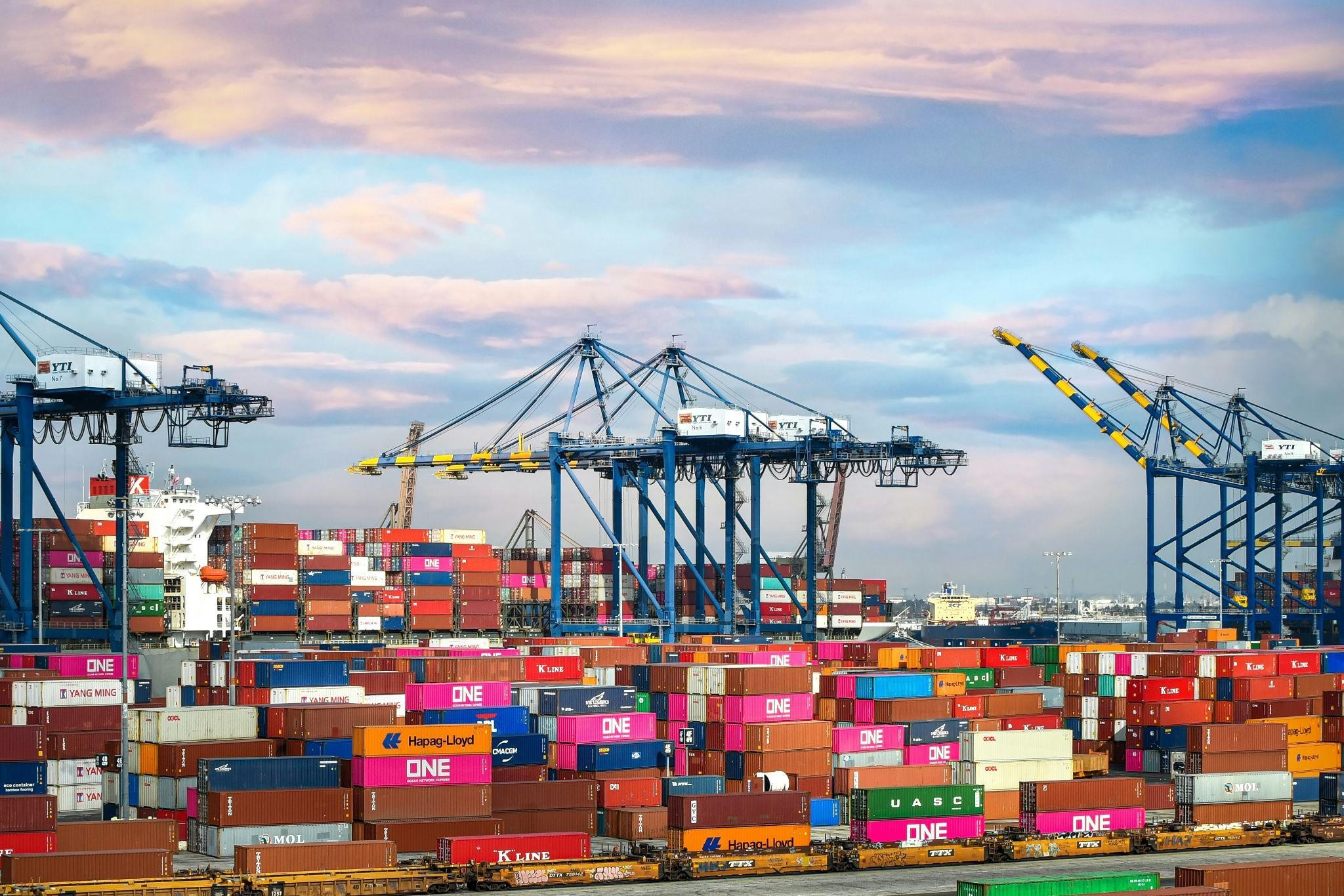
New reality: what has changed for freight transporters
The European logistics market is entering a phase of systemic transformation in several areas. Understanding these changes means being able to plan routes, timelines and costs in the new environment.
Digitalisation of workflow and API integration
Paper-based logistics is becoming a thing of the past. Electronic CMR consignment notes, digital customs declarations and API integration between transport systems are becoming a mandatory standard for working with European partners. API integration allows automatic data transfer between the systems of the shipper, carrier and customs authorities. No manual input, no errors, no delays.
Companies that have implemented API integration with EU customs systems reduce the time required to process documents by an average of 40-60%. This directly affects the speed of delivery and the level of customer confidence.
Sustainable development in logistics and alternative fuels: from trend to regulatory requirement
Sustainable logistics is no longer a marketing slogan, but a financial factor. According to the European Environment Agency (EEA), the share of renewables in the EU transport sector reached 11.3% in 2024. The EU RED II Directive sets a target of 14% by 2030. And the market is moving in this direction.
Green transport is not just about electric trucks. It is a comprehensive system that includes:
- Alternative fuels: liquefied natural gas (LNG), biodiesel, hydrogen for freight transport.
- Optimising routes to minimise CO₂ emissions.
- Euro 6 environmental standards as a requirement for entry into low emission zones of EU cities.
- Carbon reporting in supply chains as a condition for working with large European retailers.
Transport is the largest source of greenhouse gas emissions in the EU, accounting for 29% of the total. Of these, 73% are from road transport. The pressure on the industry will inevitably increase: European Commission sets a target for reducing transport emissions to 90% by 2050.
New route architecture: where to look for efficiency
The evolution of logistics routes between Ukraine and the EU is taking place simultaneously in several dimensions. According to Kyivstar Business Hub, 66% of logistics industry representatives consider the development of motorways between Ukraine and the EU to be a top priority for investment. And 70% of companies are convinced of the need to build strategic transport hubs in western Ukraine.
The final kilometre as a point of competitive differentiation
Last mile delivery is the last stage of delivery from the logistics hub to the final recipient. And it is becoming a critical field of competition. Especially in the context of the growth of e-commerce and the requirements for fast delivery. For freight carriers, this means the need to integrate with local operators in the EU and build partnership networks at the last mile.
The optimised last mile delivery reduces the customer's overall logistics costs by 15-28%. This becomes a significant argument when choosing a transport partner.
Multimodal solutions as the new normal
Multimodal transport is a combination of road, rail and sea transport within a single logistics chain. It has long ceased to be exotic and has become a practical tool for cost optimisation:
- A truck delivers cargo to a port or railway terminal.
- The cargo then reaches its final destination by sea or rail.
- The last stage is again road transport.
This scheme allows to reduce the cost of delivery over a distance of more than 1500 km by 20-35% compared to a purely road route. For Ukrainian exporters shipping goods to Spain, Portugal or the Scandinavian countries, multimodal solutions are becoming an economically viable choice.
Innovations in logistics: what is already working in practice
Let's be honest: innovation in logistics is a heterogeneous concept. Some solutions have already become operational standards. The other part remains a prospect. Let's look at what really changes business today.
Technologies that already demonstrate a real effect:
- Real-time GPS tracking is no longer a competitive advantage, but a basic market requirement. Modern tracking systems allow you to see the position of a vehicle with an accuracy of up to a minute.
- Transport management systems (TMS) are the operational brain of a modern carrier. TMS automatically selects the optimal load and builds the most efficient routes. The result is a 15-25% reduction in empty runs.
- API integration with customs brokerage systems turns paperwork into an automated data exchange. Information about the cargo is transferred to EU customs systems before the vehicle arrives at the border.
- Digital data interchange (EDI) between shippers, carriers and recipients eliminates the need for manual duplication of information at every stage of the supply chain.
- Predictive analytics for forecasting route congestion and freight prices allows you to plan logistics weeks in advance, rather than reacting to changes after the fact.
The common denominator of all these technologies is that they work only when implemented systematically, not in a piecemeal fashion. A separate GPS tracker without a TMS, or a TMS without API integration with customs, are half-measures that do not have the full effect.
Challenges 2026: what complicates the work of carriers
The evolution of the logistics market is always a two-way process. New opportunities come along with new challenges. Key challenges for market participants in 2026 include:
- Shortage of qualified drivers in Poland and the Baltic States, which increases the cost of transportation.
- Infrastructure load at key border crossings during peak seasons.
- A more complex regulatory environment: new requirements for vehicle environmental class and carbon reporting.
- Volatility in fuel prices despite the expansion of alternative fuels.
We should also not forget about cyber risks for digital logistics platforms and transport management systems.
What the new architecture means for your business
For business owners, CEOs and COOs, the new logistics reality means one thing: the quality of your transport partner directly affects the competitiveness of your product in the EU market. Delivered on time is no longer an advantage, but a minimum market requirement. Delivered with transparent tracking, properly documented and at the lowest possible cost - that's a competitive advantage.
For e-commerce companies and distributors, it is critical to choose a partner that provides system integration, transparent tracking and flexible solutions for last mile delivery across the EU.
Reliability and predictability are important to manufacturers and importers. This means clear deadlines, minimising the risk of delays at the border, competent customs support and compliance with all relevant EU standards.
Conclusion: a partner that keeps pace with the market
The new architecture of international logistics requires carriers to be ready for constant change. Sustainable logistics, alternative fuels, digital documentation, multimodal solutions are not the future, they are the present, in which the best market players are already competing.
KVK Rapid has been specialising in international transport for over 65 years. The company has its own fleet of vehicles, customs brokerage services and a 15,000 m² warehouse infrastructure. We don't just adapt to the new rules - we help our clients use all the opportunities for growth.