International freight transportation is the artery of the global economy, which in the second half of 2026 is undergoing another stage of large-scale transformation. Geopolitical dynamics, updated customs regulations of the European Union, the digitalization of procedures, and growing environmental requirements are creating an entirely new environment for top management. For executives, e-commerce owners, and distributors, supply chain flexibility has become a key factor in maintaining margins.
This overview analyzes the 7 main systemic trends that will determine the direction of the logistics industry in the second half of 2026.
Full Digitalization of Transit and the Transition to NCTS Phase 6
The European direction of customs infrastructure development requires carriers to integrate digital solutions as extensively as possible. In the second half of 2026, a key event is the completion of preparations for and deployment of the sixth phase of the New Computerised Transit System (NCTS Phase 6).
The implementation of the updated protocol automates data exchange between export and transit systems, minimizing the human factor at the border. For Ukrainian exporters, this means the need to use updated software and accurately complete product specifications.
According to research World Bank Open Data as part of the Logistics Performance Index (LPI) assessment, the digitalization of customs formalities and end-to-end transparency of transit corridors are key factors in reducing vehicle waiting times at checkpoints.
Decentralization of Warehouses and the Development of Micro-Fulfillment
The rapid growth of the cross-border e-commerce sector is forcing retailers to reconsider traditional geographic models of goods storage. Instead of maintaining a single mega-hub, businesses are moving toward a network of smaller hubs located closer to the end consumer.
The intermediate storage strategy provides the following operational advantages:
- Reduction of the last-mile distance and shorter order delivery times.
- Cost optimization through the consolidation of small cargo shipments.
- Mitigation of the risks associated with the disruption of individual transportation hubs.
When a business needs prompt processing and accumulation of cargo batches specifically in the capital region, a reliable solution is a modern Kyiv Customs Terminal, which enables fast customs clearance procedures and the redirection of product flows.
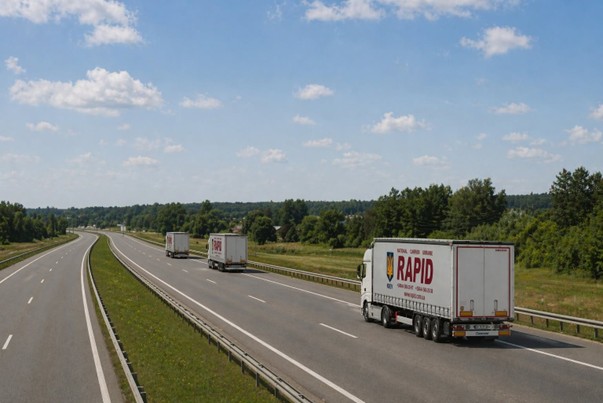
Strict Environmental Control and the Expansion of CBAM
The second half of 2026 is marked by the transition of the EU Carbon Border Adjustment Mechanism (CBAM) to a phase of strict monitoring of actual emissions. Exporters of basic materials and industrial products are required to provide verified data on their carbon footprint throughout the entire supply chain.
For the transportation sector, this means accelerated fleet renewal and a transition to Euro 6 environmental standards, as well as the calculation of alternative multimodal delivery schemes.
Experts from the analytical review by McKinsey & Company emphasize that integrating environmental criteria into procurement activities and logistics audits has become an essential condition for maintaining a position in the European market.
Automation and Agentic AI in Dispatching
Fleet management and route planning in 2026 have finally moved beyond standard spreadsheets. Logistics operators are implementing autonomous artificial intelligence-based systems capable of predicting border congestion and weather conditions in real time and adjusting the schedules of vessels and vehicles accordingly.
The use of intelligent tools makes it possible to address the following tasks:
- Automatic selection of the optimal transportation mode for a specific cargo size and type.
- Prediction of estimated time of arrival (ETA) with an accuracy of several minutes.
- Dynamic rerouting of cargo flows in the event of queues at border crossing points.
Thanks to digitalization, international logistics is becoming more predictable, allowing cargo owners to plan production cycles more accurately.

Demand Fluctuations and the Adaptability of Multimodal Schemes
Flexibility in the choice of transportation mode remains the main safeguard against delays. Combining road transportation with rail platforms and maritime freight demonstrates the highest resilience to external shocks.
When organizing combined routes, businesses are increasingly opting for comprehensive solutions in which international cargo delivery is accompanied by a full package of guarantees and continuous GPS tracking from the point of loading to unloading.
Below are the basic parameters that characterize high-quality transportation logistics in 2026:
- Full data transparency through client online portals.
- Carrier liability insurance with extended risk coverage.
- Availability of backup vehicles for immediate replacement in the event of force majeure.
Thanks to strict process control, properly organized international transportation ensures cargo safety and compliance with contractual deadlines.
Abolition of de minimis Benefits and Optimization of Customs Clearance
The end of the preferential period for small B2C shipments to the EU has changed the economics of cross-border trade. From now on, even small parcels require the payment of customs duties and the completion of full customs declarations.
To optimize costs, companies are forced to consolidate shipments, moving from postal formats to full-scale cargo shipments.
Under these conditions, properly organized cargo delivery to Europe allows businesses to avoid penalties and reduce the unit cost of processing each item. Carriers that have their own declaration services gain a significant competitive advantage in the market.
Growing Role of Comprehensive 3PL/4PL Outsourcing
According to an analytical report by Deloitte Insights, the increasing complexity of regulatory requirements is forcing companies to move away from maintaining their own logistics departments in favor of specialized operators. Comprehensive logistics services from a single contractor cover the entire range of tasks, from freight forwarding to customs clearance and insurance support.
The need for such outsourcing is most acute on the European route, where the modern market requires extensive expertise in organizing daily connections. In particular, reliable international road transportation remains fundamental to trade between Ukraine and neighboring EU countries due to its mobility and speed.
That is why high-quality Ukraine–EU cargo transportation can no longer be ensured simply by having a vehicle fleet. It is built on a thorough knowledge of customs procedures and a well-established network of partner warehouses on both sides of the border. Only experienced 3PL operators are capable of providing this.
Benefits of Cooperation with a Systematic Logistics Partner
All the challenges and trends of the second half of 2026 confirm that the success of foreign economic activity depends on the choice of a transportation partner. Rapid has been maintaining high standards of service in international transportation for more than 30 years.
Our own fleet, which meets modern environmental requirements, professional customs brokers, and an extensive infrastructure network allow us to handle international transportation of cargo of any complexity.
Thanks to adaptive solutions and a deep understanding of market trends, the Rapid brand guarantees its clients safety, predictability, and economic efficiency for every shipment.
Conclusions
An analysis of the trends in the second half of 2026 shows that international freight transportation requires businesses to pursue deeper digital integration, comply with environmental regulations, and move away from outdated schematic solutions. Companies that proactively adapt their supply chains to new customs standards and engage experienced logistics operators gain a competitive advantage.