The modern European delivery and supply market is undergoing a profound structural transformation. Logistics services have becomea key tool for ensuring business competitiveness amid constant geopolitical instability, the reorganization of trade corridors, and increasingly stringent environmental requirements. In 2026, European companies are moving away from outdated linear models in favor of flexible digital solutions and deeper integration with external experts.
Below, we will take a detailed look at the main development vectors shaping the choice of logistics models in Europe and examine how requirements for partners in transportation and warehousing are changing.
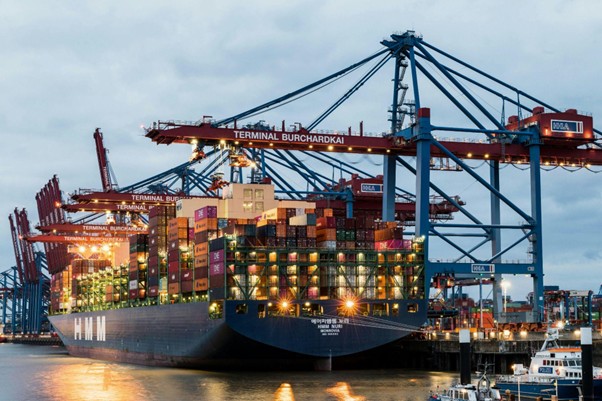
Market Transformation: Key Trends in 2026
Today, logistics is no longer merely a technical function of transporting goods from point A to point B. For a modern C-suite executive, it is primarily an element of strategic resilience. According to the analytical report Gartner Supply Chain Trends 2026, the key areas of technological development in supply chains in 2026 are autonomous systems, specialized artificial intelligence models, and end-to-end digital traceability of goods.
European businesses are broadly reassessing their operating costs as traditional in-house transportation departments lose efficiency. Constant changes in the EU regulatory environment, strict environmental controls, and a shortage of qualified personnel are forcing companies to seek new approaches to managing flows of materials and finished products.
Why Businesses Choose Comprehensive Logistics Services
Maintaining their own vehicle fleets, distribution centers, and in-house customs accreditation specialists is becoming a significant financial burden. Full-scale outsourcing provides the necessary flexibility, allowing companies to quickly scale up or reduce transportation volumes depending on fluctuations in market demand.
According to the analytical findings of the McKinsey Distribution Supply Chains 2026, optimizing warehouse networks and reorganizing transportation routes with the help of external partners makes it possible to turn margin pressure into a competitive advantage.
By transferring these tasks to a single contractor, businesses gain end-to-end responsibility for their cargo and significantly reduce administrative overhead. Comprehensive logistics servicescover a wide range of tasks, from freight forwarding to customs clearance.
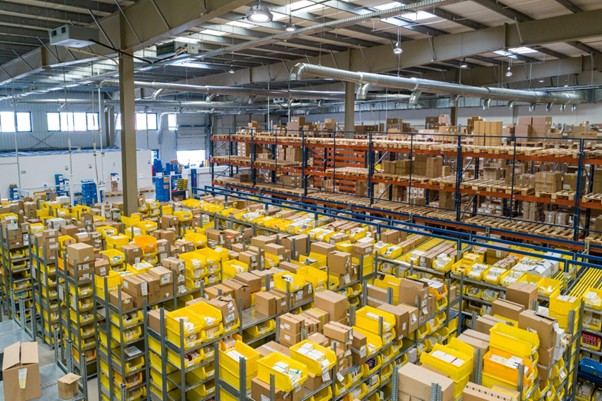
3PL and 4PL Models: The Priority of European Companies
Individual point-to-point services from small freight forwarders are losing popularity. European manufacturers and e-commerce companies are opting for a “single-window” model, where the logistics operator takes responsibility for managing all stages of the movement of goods.
The 3PL model means that logistics companiesprovide a full cycle of physical cargo handling: from the manufacturer's warehouse to consolidation, customs clearance, and final delivery.
At the same time, the 4PL format is becoming increasingly popular, in which the contractor acts as an IT integrator, managing multiple contractors through a single digital interface.
This approach allows clients to focus on product development, marketing, and sales while leaving all technical routine operations to professionals.
Digitalization and End-to-End Control as the Standards of 2026
Modern European clients no longer consider offers from companies that cannotprovide full digital control over the status and location of their cargo. Modern transportation and logistics services are based on the implementation of:зуються на впровадженні:
- IoT sensors;
- predictive analytics;
- automated transportation management systems.
According to the global PwC Digital Trends in Operations 2026, the majority of European corporations consider the automatic integration of a carrier's IT systems with their own ERP platforms a mandatory requirement for participation in tenders.
Thanks to these technologies, international logistics becomes fully manageable and predictable for CFOs and analysts.
Decarbonization and Strict ESG Standards as a Mandatory Condition for Cooperation
The European Union's environmental requirements have evolved from incentive-based recommendations into strict regulatory standards. The introduction of stringent sustainability reporting directives requires European businesses to disclose not only their own direct emissions but also the full carbon footprint of their transportation partners.
As a result, European businesses are broadly reassessing their requirements for transportation partners. Priority is given to companies that systematically implement green technologies in their operational processes:
- Use of freight vehicles meeting high environmental standards (Euro 6, electric vehicles, or alternative-fuel vehicles).
- Use of specialized software to optimize routes in order to minimize empty mileage.
- Transition to reusable packaging and elimination of single-use plastics at warehouse terminals.
Thus, providing accurate CO2 emissions calculations for each ton of transported cargo has become a mandatory addition to commercial proposals in most European tenders.
Specifics of International Connections and the Eastern European Direction
ЗEnsuring the uninterrupted movement of goods between EU countries and Eastern European regions requires particular flexibility. For many European companies, effective logistics for business in the Eastern European direction relies on the availability of robust infrastructure and warehouse space.
Specialized international logistics services rely primarily on road transportation. Road freight demonstrates the best performance in terms of “door-to-door” delivery speed. At the same time, well-designed logistics solutions make it possible to effectively address the acceleration of customs procedures and route optimization in the event of border delays.
At the same time, transportation logistics on the Ukraine–EUroute requires strict compliance with European declaration standards and the availability of partner warehouses on both sides of the border.
Tips for Choosing a Reliable Partnership
To build a resilient supply system and avoid disruptions, businesses should carefully analyze potential contractors. Professional partners should meet the following criteria:
- Technological integration. The ability to connect the provider's IT systems to the client's ERP or CRM via API for automatic data exchange.
- Geographical presence. Availability of partner and company-owned customs and warehouse terminals at key logistics hubs across Europe.
- Regulatory expertise. Thorough knowledge of current customs regulations, environmental directives, and international transit procedures.
- Scalability. The ability to quickly provide additional transportation capacity during peak sales periods.
By choosing modern logistics services, European businesses gain not simply a cargo transportation service, but a full-fledged strategic partner capable of adapting supply chains to any market challenges.
Conclusions: The Future of European Supply Chains
The trends in the European transportation market in 2026 clearly demonstrate that logistics has finally transformed from a technical support service into a strategic business asset. European company executives are no longer simply looking for contractors to transport cargo from point A to point B. The key selection criteria have become flexibility, complete digital transparency, high customs clearance speed, and strict compliance with environmental ESG standards.
The transition from maintaining inflexible in-house vehicle fleets to 3PL and 4PL outsourcing models enables businesses to mitigate regulatory risks, reduce operating costs, and quickly adapt to any changes in the market. By entrusting comprehensive cargo handling — from warehousing to cross-border freight forwarding — to professional operators, businesses can focus on product development and scaling.
Ultimately, well-designed and technology-driven logistics services provide a reliable foundation for stable trade between Ukraine and EU countries, ensuring uninterrupted supply and high business margins amid constantly changing market challenges.