Rapid Kyiv забезпечує стабільність логістичних процесів навіть у періоди турбулентності на міжнародних ринках. Минулого року умови експорту харчових продуктів з України до ЄС зазнали суттєвих трансформацій. Попри загальне зниження валютного виторгу від агросектору (майже на 9% порівняно з попереднім роком), частка готових харчових продуктів у структурі експорту залишається вагомою. Це вимагає від B2B-компаній бездоганного знання нових митних та санітарних регламентів. У цьому матеріалі ми проаналізуємо, як адаптувати перевезення до сучасних вимог та зберегти якість товару в умовах обмежених квот.
Legislative framework: what is in force in Ukraine in 2025
The main document regulating the transport of food products in Ukraine remains Law of Ukraine «On Basic Principles and Requirements for Food Safety and Quality» No. 1602-VII. According to Article 44 of this law, vehicles for freight transport in Ukraine must meet strict sanitary requirements.
In December 2024, the updated rules came into force, which set additional requirements. In particular, the consignment note for products of animal origin must indicate the temperature regime of storage. In addition, temperature control of delivery should not be interrupted along the entire route. This is important to prevent the growth of microorganisms and the formation of toxins.
Since November 2025, a new Law No. 2718-IX has been in force in Ukraine, implementing European food packaging safety standards. According to the Head of the State Service of Ukraine on Food Safety and Consumer Protection, this is a key step in harmonising Ukrainian legislation with EU standards. The law establishes new rules for manufacturers, importers and suppliers of packaging materials, requiring them to ensure control over the chemical safety of packaging.
EU requirements: Regulation (EU) 2017/625 and ATP
Compliance with European regulations is crucial for companies engaged in Ukraine → Poland or other EU countries. The main document is Regulation (EU) 2017/625, which sets out the rules for official food control at the EU border.
Importing countries do not just recommend temperature control - they legally require it. Violation of the cold chain, even by 1-2°C, can lead to product spoilage and a complete ban on imports.
The ATP Agreement on the International Carriage of Perishable Foodstuffs and on the Equipment to be Used in Such Carriage, concluded in Geneva in 1970, is applicable to the international transport of perishable foodstuffs. In November 2024, the Cabinet of Ministers of Ukraine approved amendments to the conditions of carriage of perishable foodstuffs, implementing the provisions of this agreement into Ukrainian legislation.
Classification of food products for transport
All food products fall into two main categories:
- Non-perishable goods are products with a long shelf life. These include flour, sugar, salt, pasta, and canned food. There are no special requirements for temperature conditions, but cleanliness of transport and protection from moisture remain mandatory.
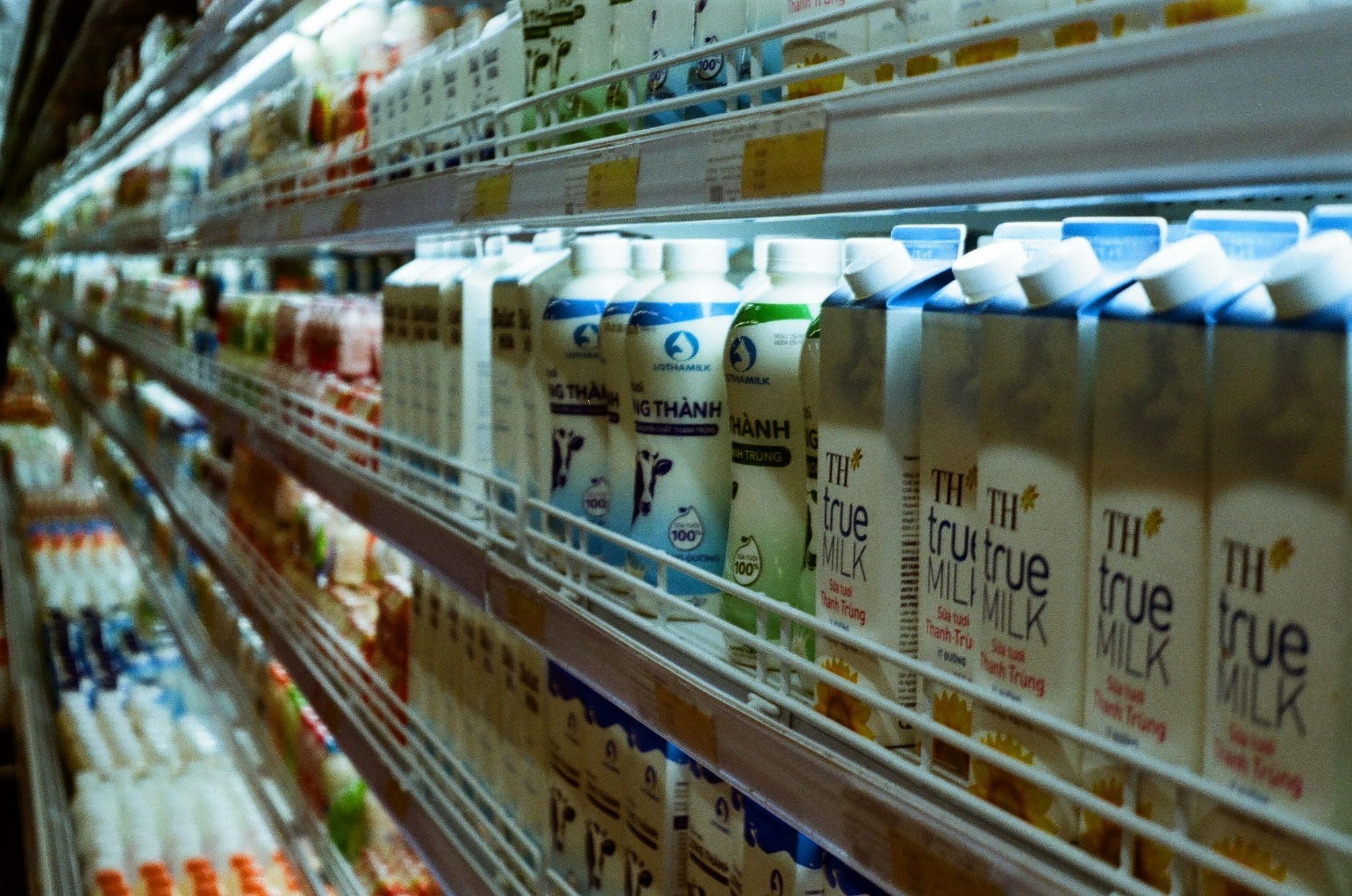
- Perishable foods - meat, dairy products, fish, cheeses, ready meals. They require strict temperature control and the use of refrigerated or isothermal vehicles.
Rapid Kyiv uses specialised vehicles with temperature maintenance and control systems to transport perishable goods. This ensures that product quality is maintained.
Continuous temperature control system
Cold chain is a system of continuous temperature control at all stages: packaging, storage, transportation and delivery of goods. For exports to the EU, the US and other markets, maintaining a cold chain is a mandatory requirement.
Key elements of the system:
- Pre-cooling. Before loading, it is important that the cargo and the reefer itself are cooled to the required temperature. Loading warm goods into cold vehicles disrupts the temperature balance.
- Temperature loggers. Temperature sensors are required to be installed in refrigerated trucks to record the temperature at 15-30 minute intervals. This confirms compliance with the cold chain for customs authorities and recipients.
- Continuity. Any interruption of the cold chain - during reloading, at customs, during maintenance stops - is unacceptable. EU importers often require logger data as proof of temperature compliance.
For. international transport For perishable products, the vehicle must have a valid ATP certificate confirming that its technical characteristics meet international standards.
Sanitary requirements for transport
Vehicles for the transport of food products must be:
- clean and maintained in good condition;
- equipped for cleaning and disinfection;
- protected from contamination, pests and rodents;
- with surfaces made of stainless, non-toxic materials;
- labelled as «Food» or «for food use only».
If a vehicle is used for the transport of non-food products, it may not be used for food without special treatment. Only refrigerated or isothermal vehicles are used for perishable goods.
Documentation
The transport of food products, especially when exporting to the EU, requires an extended package of documents:
- Commercial documentation - invoice, packing list, certificates of conformity.
- Transport documentation - CMR (marked «perishable goods»), consignment note with temperature conditions, ATP certificate of the vehicle.
- Veterinary and phytosanitary certificates (depending on the type of product).
- Data from temperature loggers to confirm compliance with the cold chain.
In EU countries, there is a requirement to use temperature recorders and monitoring systems during refrigerated transport. The type of truck must be suitable for the products being transported.
Common mistakes and how to avoid them
According to experts who have studied cold chain logistics, the most common problems arise on the so-called «last mile» - delivery to the end consumer. It is here that the cold chain is most often broken due to delays in transport and lack of proper delivery control.
Other common mistakes:
- Lack of temperature loggers or their improper calibration.
- Interruption of the cold chain in case of overload.
- Incorrect placement of goods in the vehicle.
- Lack of ATP certificate for international transport.
- Incomplete package of supporting documents.
An experienced carrier will help to avoid downtime by knowing the work schedules of customs laboratories and the specifics of inspections of different groups of goods.
Choosing a partner for freight transport
When freight transport (Ukraine) shows a downward trend, choosing a reliable logistics operator becomes a matter of business survival. Rapid Kyiv focuses on service quality and technical excellence, which allows our customers to remain competitive even with rising logistics costs.
Criteria for choosing a partner:
- Availability of a reserve fleet of vehicles for urgent shipments.
- Cargo insurance tailored to the specifics of food products.
- Full support in matters of customs clearance and veterinary control.
According to experts European Business Association (EBA), In 2026, the winners will be those companies that invest in reliable supply chains that can adapt to the ever-changing regulatory environment.